
The Return
To remember and hold what we know is true—and begin again.
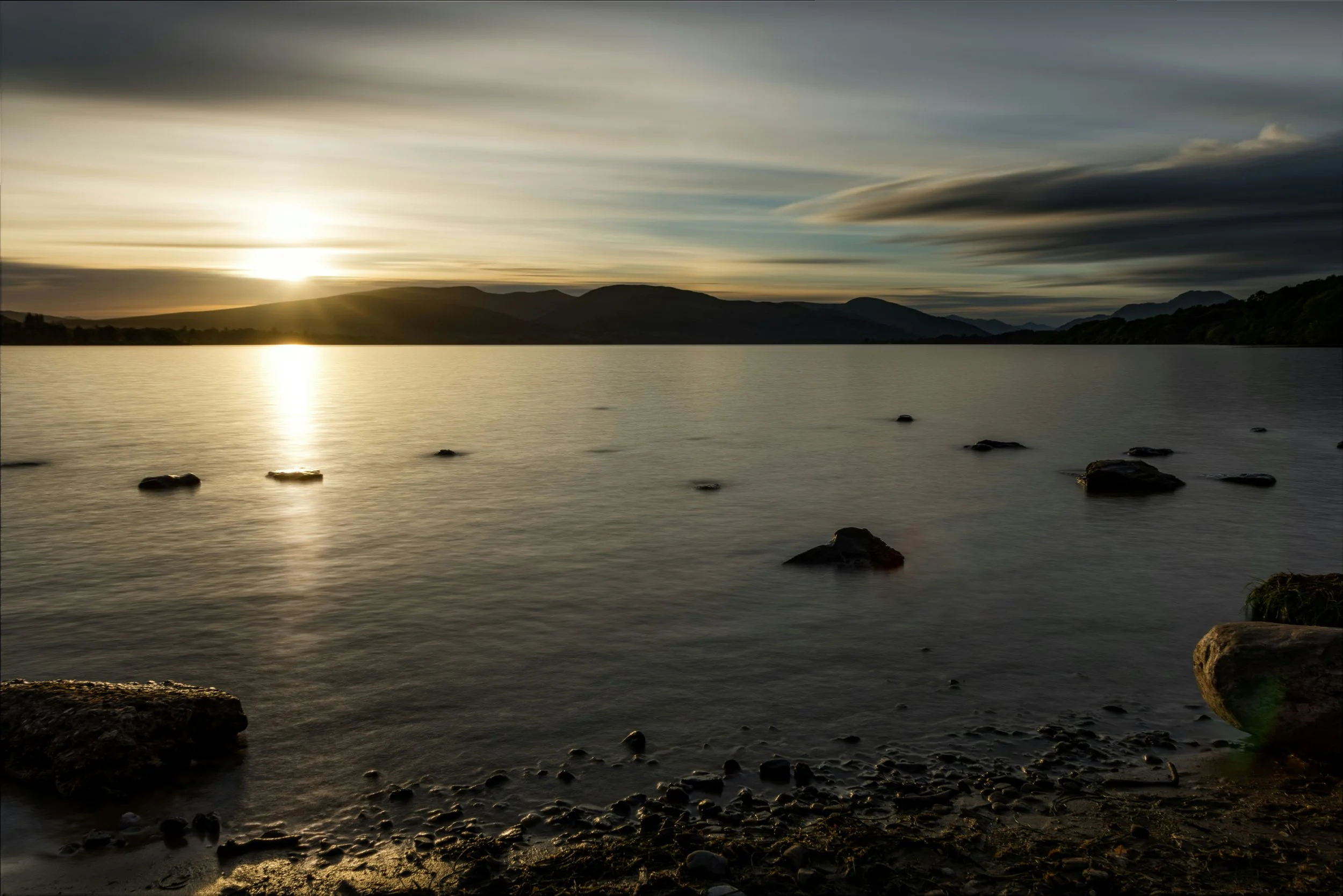
We do not always need to find a new way forward.
Sometimes, we need to remember where we began.
There is a point, in every life, where what has been built begins to feel complete—
and yet, something remains unresolved.
Not because anything is missing.
But because something essential has been set aside.
There are moments that do not announce themselves as turning points.
They arrive quietly.
Without urgency.
Without clear direction.
And yet, something within them feels different.
Not because something external has changed—
but because something internal has begun to surface.
A recognition that cannot be fully explained.
Only felt.
It does not ask for immediate action.
It does not demand resolution.
It simply asks to be noticed.
And in that noticing, something begins to shift.
Not forward, in the way we have been taught to measure progress—
but inward.
Toward something more original.
More familiar than unfamiliar.
A return.
Not to the past, but to a part of ourselves that existed before the layers were formed.
Before identity was shaped by expectation.
Before success was defined externally.
Before we learned how to move in ways that were rewarded.
There is no fault in this learning.
It is part of becoming.
But over time, what is learned can begin to overshadow what was once known.
And so, the return is not about undoing what has been built.
It is about remembering what has always been present beneath it.
For me, that recognition came through my grandmother.
She told me that if I ever reached a place in life that felt unmapped—
a place where I did not know what came next—
I should return to five things I loved as a child.
At the time, it felt simple.
Almost too simple to matter.
Now, I understand it differently.
Because those five things were never just preferences.
They were orientation.
Horses.
People.
Reading.
Water and the moon.
Quiet space to reflect—
and imagine without constraint.
Not interests.
Not hobbies.
But reflections of how I naturally moved through the world
before I was taught to move differently.
And returning to them is not about going backward.
It is about realigning with something that never left.
And from that place, something becomes clear.
Stewardship is not learned.
It is remembered.
Philanthropy is not constructed.
It is expressed.
Not as obligation—
but as alignment with what has always been true.
Because what we are searching for is not always something new.
Often, it is something we have known before—
and are now ready to trust again.
And from that place, something becomes possible.
Not because the path has been fully revealed—
but because we are no longer separate from ourselves.
What we remember becomes how we give.
It is the origin of it.
